African Christian Theologies and the Ethics of Human Enhancement
How Christian theological traditions in Africa interpret enhancement technologies in relation to creation, dignity, sin, and divine purpose.
“Transhumanism, Science, and Religion in Africa: Introducing a Conversation”
AICHE 2026 is the first major conference on human enhancement in Africa, bringing together scholars, philosophers, scientists, theologians, students, and the public for an interdisciplinary dialogue on transhumanism, emerging technologies, and their ethical, social, and religious implications across the continent.


Organized by
Transhumanists Africa
 Enlightenment Transhumanist Forum of Nigeria
Transhumanism is a global movement advocating that humans can overcome biological limits through science and advanced technology. It envisions radical enhancements — from life extension and disease eradication to cognitive, physical and moral augmentation — that could transform our futures. However, these projections and possibilities raise complex ethical, social, cultural, metaphysical, and religious/spiritual questions in African contexts.
With the theme “Transhumanism, Science, and Religion in Africa: Introducing a Conversation”, AICHE 2026 aims to initiate a conversation at the nexus of transhumanism, science, and religion on the African continent. The hybrid (in-person and online) conference scheduled to take place in December 2026 will bring together scholars, philosophers, scientists, engineers, theologians, students, and interested members of the public.
African worldviews are deeply shaped by religion and tradition. Many Christians, Muslims, and followers of indigenous religions regard human life as sacred and accept human limits as part of divine design. Some religious thinkers argue that altering our natural form through genetic engineering or AI is an “affront to divine will”. African philosophers point out that traditional communal values such as Ubuntu and concern for the environment often emphasize bio-conservation and social cohesion.
Africa is experiencing rapid scientific and technological change. Biotech startups, AI research, mobile health, and engineering innovations are growing on the continent. These advances hold promise for development — fighting disease, improving agriculture, and expanding education — but they also raise urgent ethical and metaphysical questions. Many commentators express that Africans may view radical enhancement as conflicting with religious teachings and values of the sanctity of life.
How do African spiritualities interpret technologies like AI or brain implants? Can religious ethics coexist with the goal of escaping pain, illness, aging and even death? How can new technologies be directed toward solving Africa's problems rather than exacerbating inequality? What possible relationships could exist between science and religion in the face of emerging technologies and human enhancement?
AICHE 2026 seeks to bridge disciplines and engage a wide audience: academics and scientists working in AI, biology, engineering and medicine; philosophers and ethicists; theologians of Christianity, Islam, African religions, Buddhism/Eastern spiritualities and other faith traditions represented on the African continent; secular humanists; social scientists, students, engineers, and policy-makers; as well as science-fiction writers, artists and curious citizens. On the cusp of significant societal and existential changes influenced by rapid technological acceleration, AICHE 2026 will provide a forum to examine these issues and explore a spectrum of vital conversations.
Papers and Panels/Roundtables may address (but are not limited to) topics such as:
How Christian theological traditions in Africa interpret enhancement technologies in relation to creation, dignity, sin, and divine purpose.
How Islamic ethical traditions assess the modification of the human body through biomedical and digital technologies.
How African traditional religions understand the human body, identity, limits, and the moral meaning of altering human nature.
How Buddhist reflections on suffering, selfhood, consciousness, and liberation engage the use of technology to transcend human conditions.
The philosophical and religious implications of mind uploading, digital survival, resurrection, and the hope of continuity beyond biological death.
Whether transhumanist interventions should be understood as human overreach or as legitimate participation in creative activity.
How African ideas of personhood, relational identity, and community respond to AI, hybrid bodies, and augmented persons.
How Ubuntu ethics can accommodate enhanced persons and how relational morality shapes judgments about fairness and dignity.
How enhancement technologies strengthen or threaten human dignity, freedom, consent, and moral agency.
How posthumanist thought intersects with African metaphysical ideas of reality, embodiment, identity, and the human future.
What African philosophies of mind and personhood contribute to debates on consciousness transfer and personal identity.
The impact of AI on human reasoning, creativity, labour, education, and decision-making across African contexts.
Ethical, social, and philosophical questions raised by gene editing in relation to health, justice, and human enhancement in Africa.
Ethical implications of brain-computer interfaces, neural implants, and tools for improving memory, attention, and mental performance.
The moral and philosophical issues surrounding efforts to delay aging, extend lifespan, and reshape the human life course.
The effects of robotics and automation on work, dignity, productivity, unemployment, and social meaning in African societies.
How transhumanism connects and reshapes the question of meaning from scientific, philosophical, and religious perspectives, engaging African religions and philosophy of religion in reflections on purpose, flourishing, suffering, mortality, and the search for significance in a technologically transformed world.
Access, fairness, class disparity, and the risk that enhancement technologies may deepen existing inequalities.
The need for ethical standards, legal oversight, and public policy to guide responsible innovation and human enhancement.
How enhancement technologies should be weighed against urgent public health needs and broader social welfare in Africa.
How LongevityTech-driven and Age-Friendly smart cities may navigate spiritual worldviews and secular frameworks in shaping life extension practices, intergenerational living, ethical norms, public policy, and inclusive urban futures.
How emerging technologies in sport intersect with religious understandings of the body, discipline, fairness, and human limits.
How literature, film, art, games, and media shape African hopes, fears, and imaginaries about enhancement and the future.
Strategies for building awareness, supporting informed debate, and encouraging dialogue among students, communities, and policymakers.
Distinguished scholars, thought leaders, and innovators driving discussions across ethics, AI, biotechnology, religion, and African futures.



Board Member, Humanists International
Founding Director, CriThink Africa
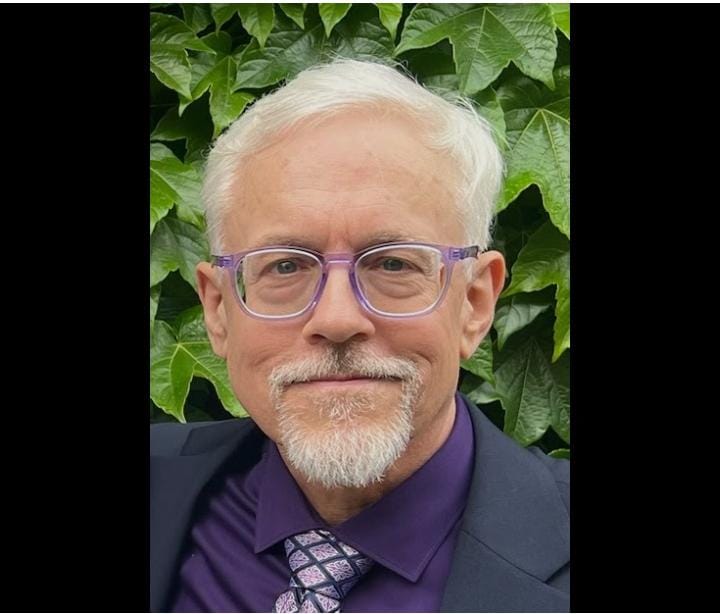
Executive Director, Institute for Ethics & Emerging Technologies
Initiator, the Cyborg Buddha Project

Founder & Chair, Transhumanists Africa
Enlightenment Transhumanist Forum of Nigeria

Honorary President, Humanity+, Inc.
Futures Theorist, Faculty Geneva College Longevity Science






Dept. of Philosophy, Theology & Historical Studies, University of Botswana
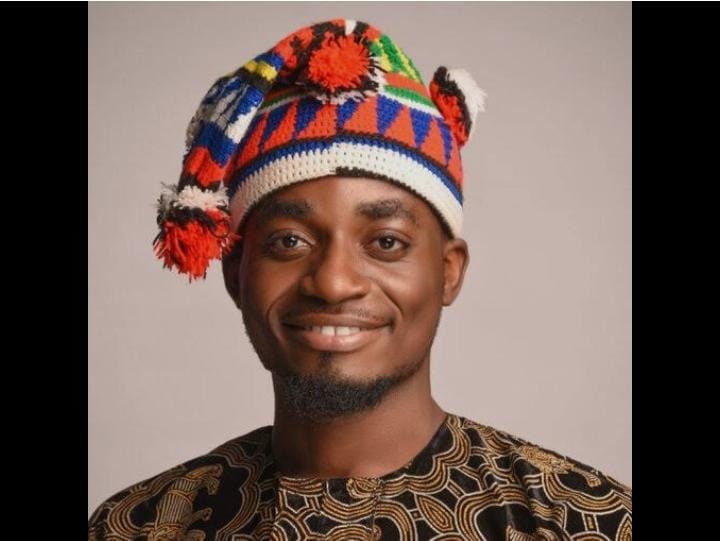

University of Fort Hare, South Africa
Conversational School of Philosophy


Institute for Islamic Theology and Religious Education, University of Innsbruck, Austria

University of the Witwatersrand, South Africa
Conversational School of Philosophy
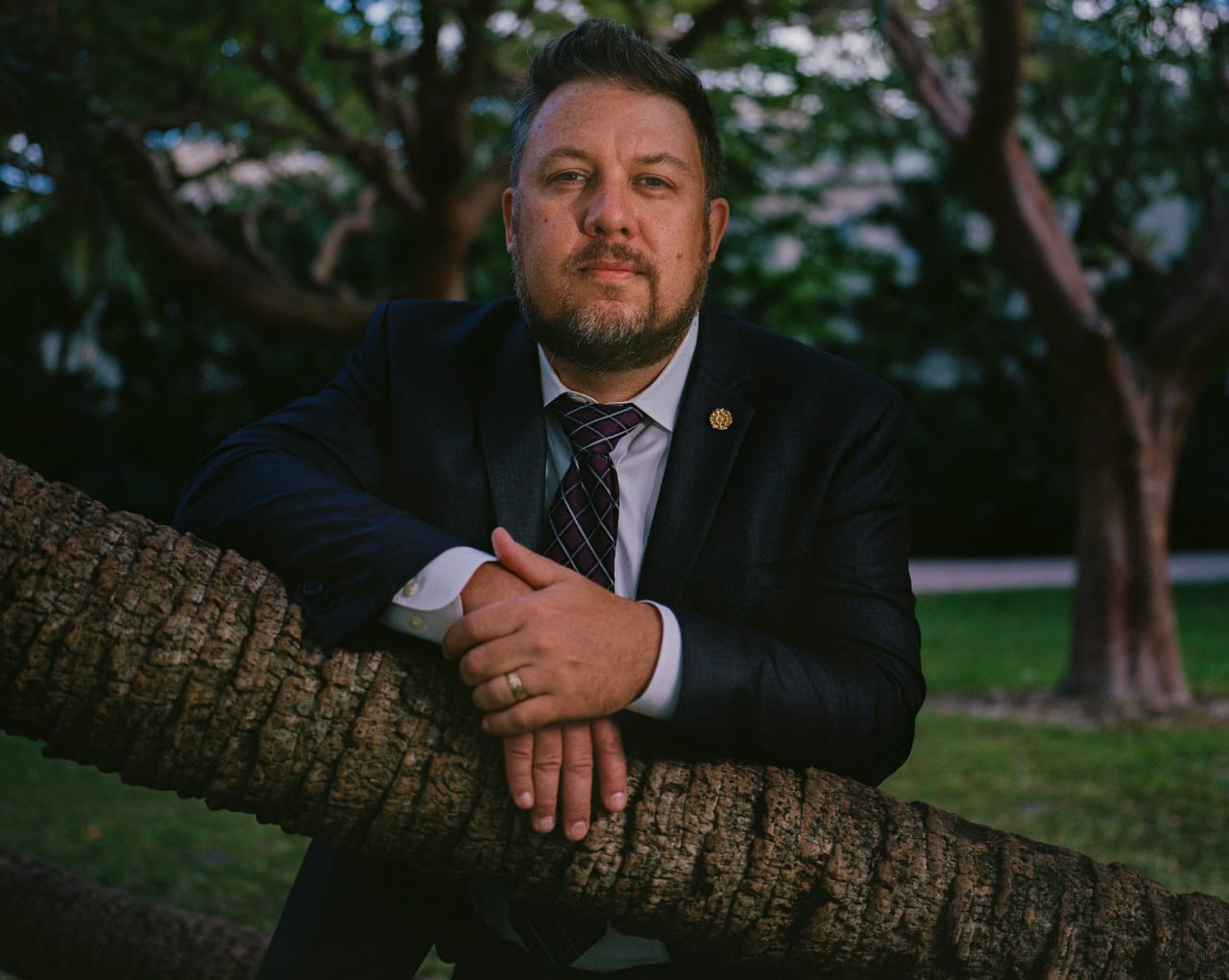
Techno-theologian; Pastor, First Miami Presbyterian Church; & CEO, CoCreators Network

Join us in shaping Africa’s future conversation on human enhancement. AICHE 2026 invites partnerships, sponsorships, and exhibitions from institutions, organizations, and individuals committed to advancing interdisciplinary dialogue, research, and public engagement at the intersection of transhumanism, science, and religion in Africa.















Partner with us to support a pioneering continental conference and contribute to building a thoughtful, inclusive, and forward-looking discourse on emerging technologies and the future of humanity in Africa.
We invite contributions that introduce and develop dialogues between fields and communities, relating them to African experiences and aspirations.
The best papers from the conference will be published in an essay collection with the Transhumanism and Africa book series (edited by Dr. Ojochogwu Abdul and Dr. Leo Igwe) under the Trivent Transhumanism imprint.
Each paper should be between 5,000 – 8,000 words, and all submissions will undergo a peer review process.
Early-career scholars and first-time presenters are especially encouraged. We welcome high-quality contributions that will stimulate rich discussion and help launch sustained inquiry at the intersection of transhumanism, science, and religion in Africa.
Critical Thinking Social Empowerment Foundation (CriThink Africa) / Transhumanists Africa
Department of Philosophy, University of Abuja, Nigeria / Transhumanists Africa
Department of Philosophy, Theology and Historical Studies, University of Botswana / Transhumanists Africa
Africa Regional President, Mormon Transhumanist Association

MainLogix Technologies, Nigeria / Transhumanists Africa
Enlightenment Transhumanist Forum of Nigeria

Transhumanists Africa

Enlightenment Transhumanist Forum of Nigeria

Humanist Association of Nigeria

Enlightenment Transhumanist Forum of Nigeria

Doctoral Researcher, University of Abuja, Nigeria

Brand System Strategist & Designer || Founder, Spur-wiz Dynasty Global
University of Fort Hare, South Africa / Conversational School of Philosophy
Honorary President, Humanity+, Inc.; Futures Theorist, Faculty Geneva College Longevity Science
TAFFD’s / Afrolongevity & International Longevity Summit Africa (ILSA)

Vitalog Systems, Kenya / Transhumanists Africa

Founder & Director, Posthuman Studies Association / Organizer, Posthuman Studies Conference

CEO, TAFFD's & Afrolongevity, South Africa
For updates, visit www.transhumanistsafrica.org/AICHE2026
CC: chogwu.abdul@uniabuja.edu.ng
Submit as Microsoft Word document (.docx)